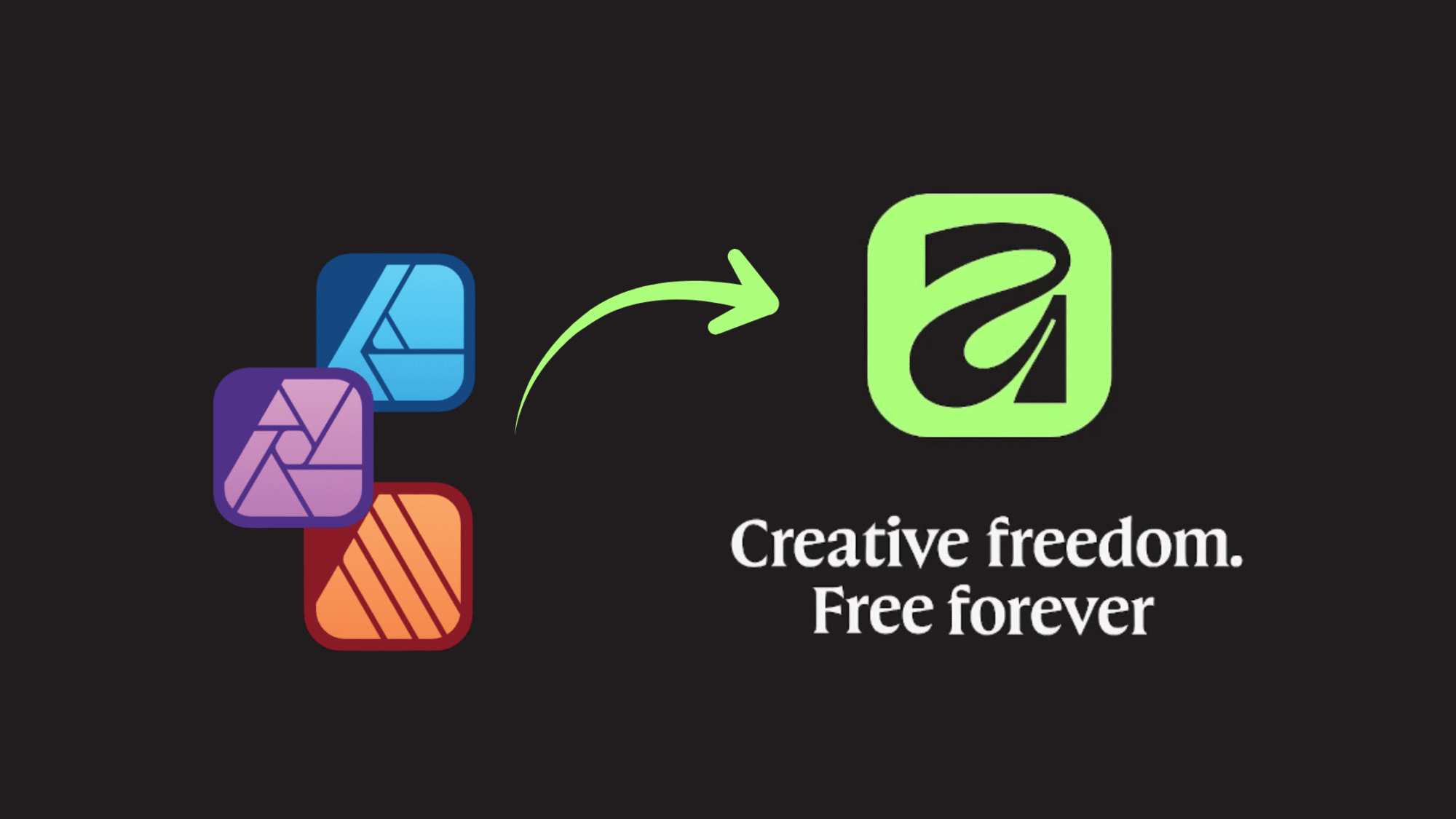
In a move that may shake the foundations of the creative software world, Canva has unveiled the all-new Affinity app, a professional-grade design platform, fully free for everyone. This represents a strategic shift in how the creative economy thinks about access, workflow, and agency.
Until now, Affinity existed as separate apps, Photo, Designer, Publisher, each paid, each task-specific. With this update, Affinity combines all these into one powerful studio: photo editing, vector illustration, and layout design, all in a single app. And it’s now free forever, available on Windows and Mac. Moreover, it integrates seamlessly with Canva’s wider ecosystem: design work in Affinity can be exported into Canva for collaboration, scaling, and publishing. The workspace is customizable: designers can mix and match vector, pixel, and layout tools, and tailor the UI to their workflow.
Why this matters for creatives and agencies
1. Freeing the budget constraint. For a long time, professional-grade design tools have carried heavy subscription tags (I’m looking at you, Adobe)or high one-time fees. The free model from Canva lowers the barrier of entry. For freelancers, creators, and small agencies, this means redistributing budget from tool licenses to ideas, talent, or execution.
2. Convergence of workflow. Switching between apps, illustration to layout to image edit, fragments focus, and decision-momentum. Affinity’s unified architecture means you stay in flow: you design, edit, layout, and publish without jumping between disparate UIs. That means faster execution, better craft, fewer interruptions.
3. Integration with scale and collaboration. For a marketing agency, this is significant because you can prototype or craft in Affinity, then hand off, collaborate, or scale in Canva’s ecosystem. The bridge between precision design (Affinity) and brand-scale publishing (Canva) offers a one-two punch.
4. Disrupting the incumbents. The move is a signal that the market is shifting: expensive, monolithic tools may no longer suffice as the default. Alternative workflows, learner budgets, and more agile teams. This release empowers them. Several commentary pieces suggest this is a direct challenge to traditional players (again, looking at you, Adobe).
Considerations (and healthy skepticism)
- While the core app is free, some advanced features, particularly AI-powered tools within Affinity (via Canva Premium), may still require a paid subscription.
- Creatives rightly ask the question: “What’s the catch?” Will the free tier be maintained long term? Will features be limited or deprecated? Some caution is warranted.
- For agencies already invested in other ecosystems, there’s a transition cost: training, workflow adjustment, and file compatibility. Though Affinity supports major formats (PSD, AI, PDF, SVG, etc.), it helps.
- Free doesn’t always mean “best for scale”; support, updates, and enterprise features may still lean toward paid versions. It’s wise to allocate time for evaluation.
Final thought
Good design is no longer optional for marketing. Access and agility are the new competitive advantages. By making Affinity free and integrated, Canva is lowering the barrier to professional creativity. For agencies, freelancers, and marketing teams, this represents a real opportunity to shift budget from licenses to ideas, to streamline workflow, and to deliver with precision. The designer’s role now is to interpret, experiment, and translate this shift into value for their audience: marketing managers, startup founders, corporate decision-makers.